The secret to turning your customers into loyal ambassadors
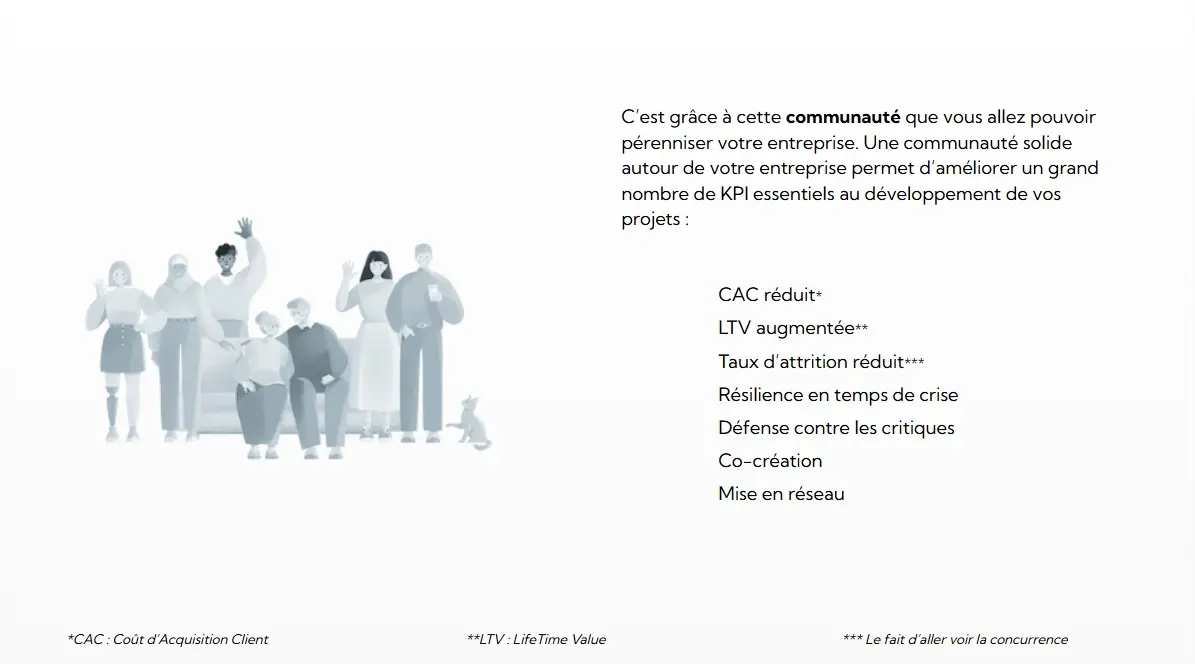
Building a community around your brand and growing ambassadors is no accident: you follow a clear path and a few simple rules. This guide shows how to move from satisfaction to active word of mouth, lowering CAC (Customer Acquisition Cost) and increasing LTV (Customer Lifetime Value).
Did you know? According to a global Nielsen study, 92% of consumers trust recommendations from their peers more than any other form of advertising.
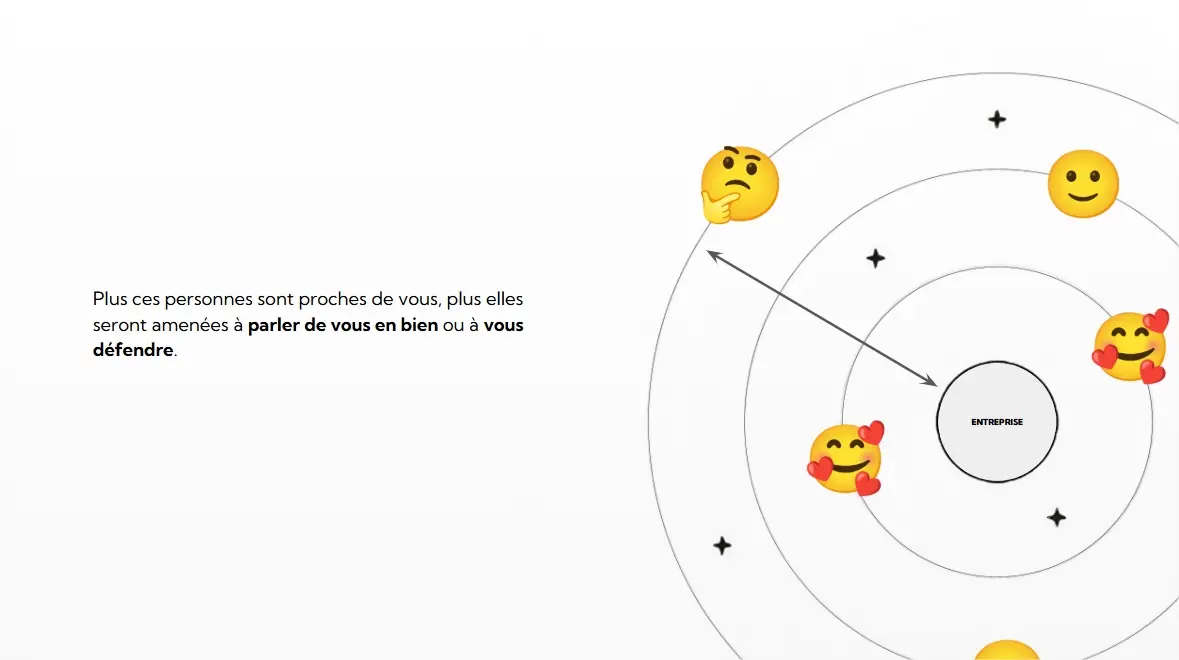
- How do you define your community?
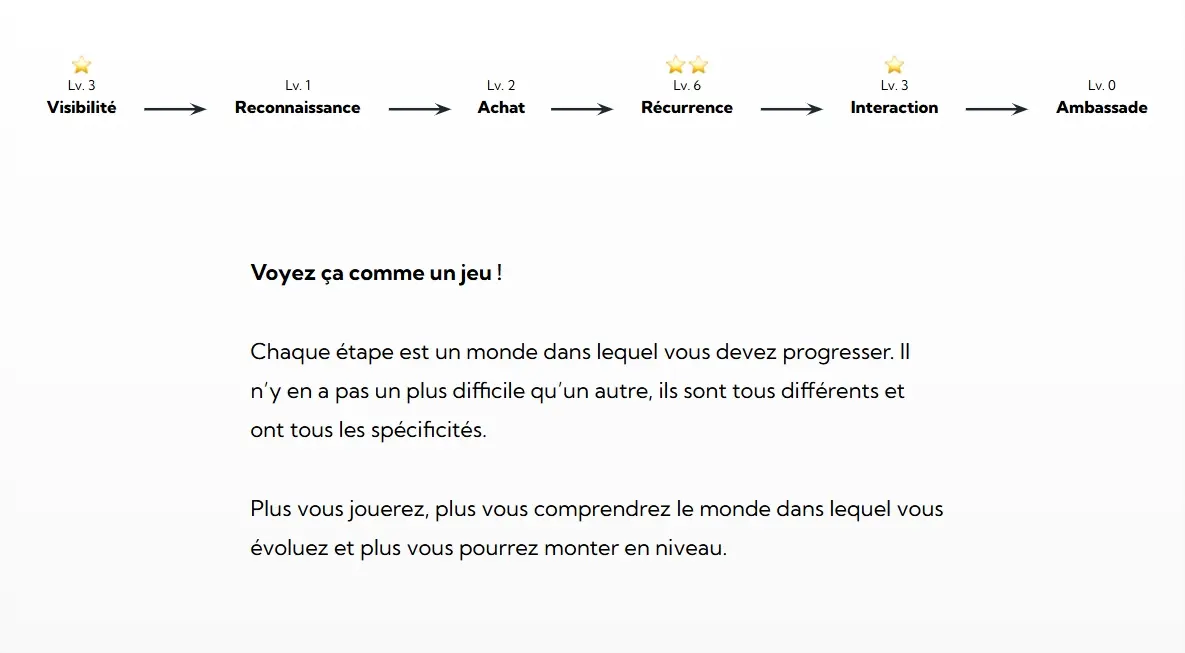
- The 6-step community journey
- The 8 rules that make the difference: leadership, empathy, consistency, testing...
- Practical action ideas for each step
- Which KPIs should you use to measure your community?

What's inside this guide
Chapter 1: Set the community framework (circles, values, benefits: CAC ↓, LTV ↑, churn ↓).
Chapter 2: The 6-step community journey and the key actions at each phase.
Chapter 3: The 8 rules: leadership, empathy map, inspiration, consistency, the right to fail, follow-up, stepping back…
Chapter 4: Activate your community: content, events, private groups, co-creation & proof.
Conclusion: From satisfaction to advocacy, a system that grows stronger over time.
🔗 Go further: Identifying and engaging your best customers takes time. To keep your teams from drowning in day-to-day operations, see how an AI expert to improve your sales can automate review sorting, engaged-customer detection and the writing of engagement messages.
Loyalty pays off
According to a study by Bain & Company and Harvard Business School, increasing customer retention by just 5% raises profits by 25% to 95%. Turning a customer into an ambassador costs far less than acquiring a new cold prospect.
Source: Harvard Business Review - The Economics of E-Loyalty
If customer database management is exactly what interests you, we have a page that explains how to structure all of this technically. It's right here, on our page dedicated to CRM and sales management with Odoo.
And to know exactly what to say to that community to keep it engaged on your social channels, check out our IRM method for creating high-impact content.
They put it into practice
Visible results after structuring the journey and the community rituals.
Customer Relations Manager
“In 3 months, +40% public reviews and regular referrals. The 6-step journey gave us a compass.”
SME Owner
“The 8 rules gave the team a framework: we measure, we iterate, we keep the pace. CAC is going down, LTV is going up.”
Marketing
“The customer group and micro-events built connections. We see ambassadors emerging naturally.”
🔗 Go further: A great way to reward your best ambassadors (especially in B2B) is to give them a VIP space. Learn how to create an invitation-only buying platform with a private B2B eCommerce customer portal on Odoo.
Get the full guide
Receive the guide by email with the step-by-step process to build your community.
Frequently asked questions (FAQ)
Short, actionable answers aligned with the most common searches.