The IRM method: 3 steps to create high-impact content
A simple, actionable method to turn your ideas into content that matters. IRM = Identify your audience's problems, Route them into a TOFU/MOFU/BOFU journey, Materialize them into concrete formats with a real call to action. No more blank page.
Did you know? According to the Content Marketing Institute, 73% of the most successful companies have a documented content strategy. The rest publish at random and wear themselves out with no return on investment.
- A clear 3-step method: Identify · Route · Materialize
- Question templates to surface your customers' real topics
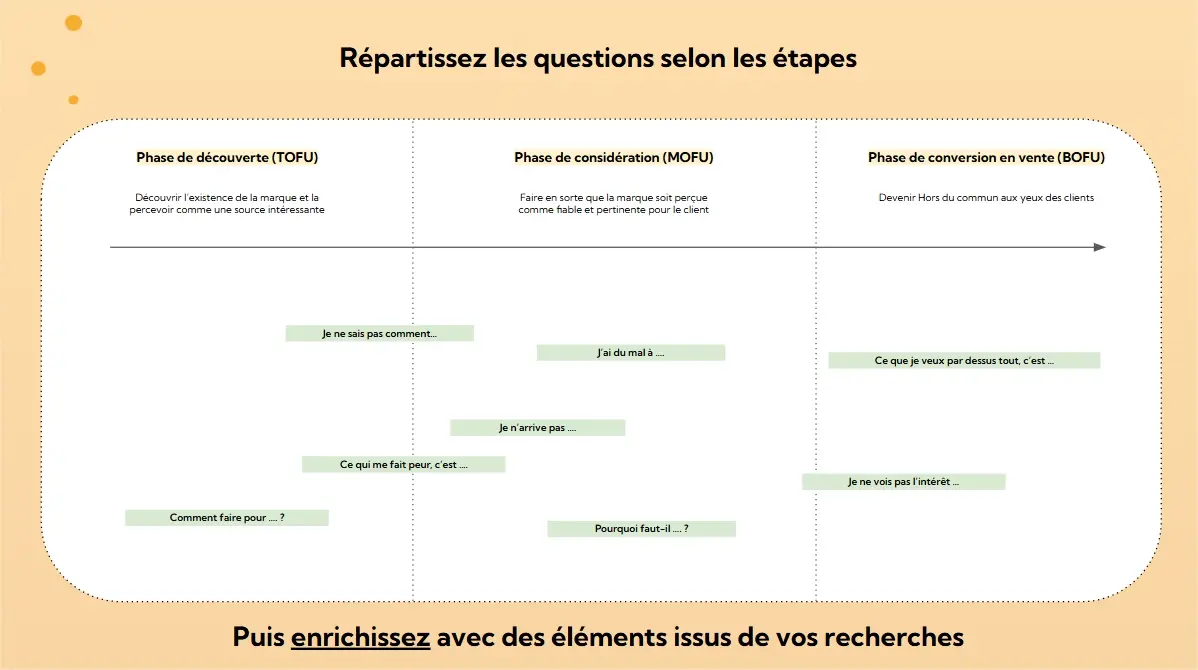
- TOFU/MOFU/BOFU sorting explained, with sample formats for each stage
- The "60/30/10" rule to publish at the right pace without overselling
- A ready-to-use editorial roadmap and simple KPIs to track

What's inside this guide
Chapter 1: Identify your customers' real problems (data sources and sample questions).
Chapter 2: Route your ideas into a coherent buying journey (TOFU • MOFU • BOFU).
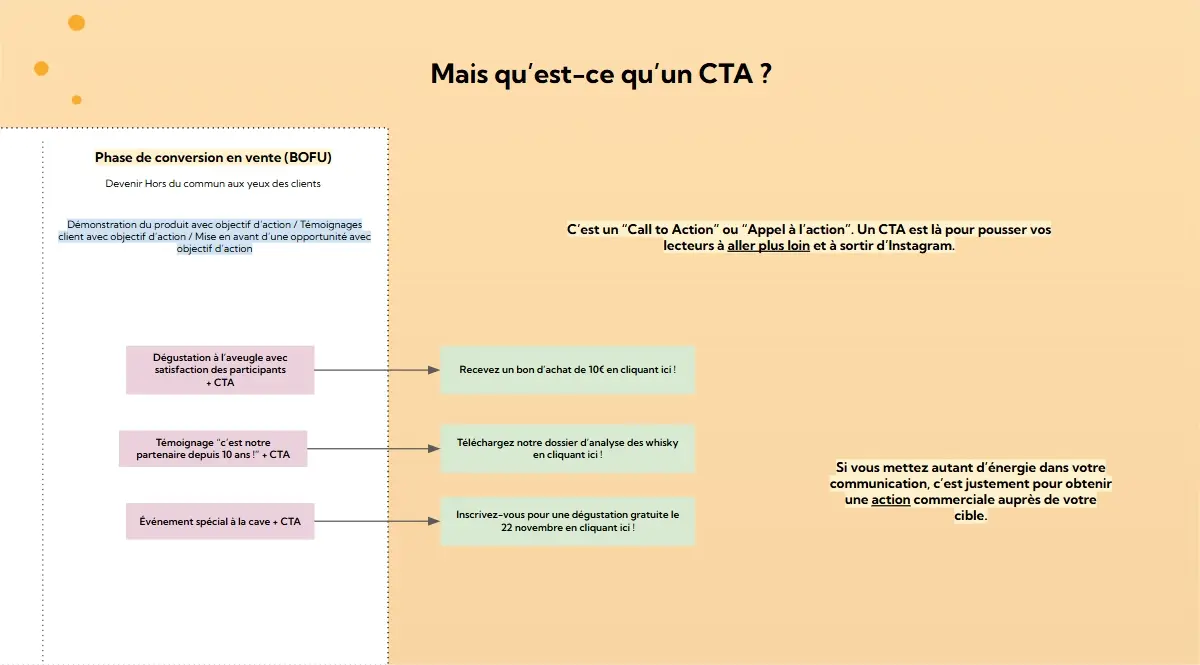
Chapter 3: Materialize your ideas into high-impact content (choosing formats and CTAs).
Conclusion: From raw idea to editorial calendar (the golden 60/30/10 rule).
Content needs a target
The IRM method is powerful, but only if you know who you're talking to. Content made "for everyone" is content made for no one.
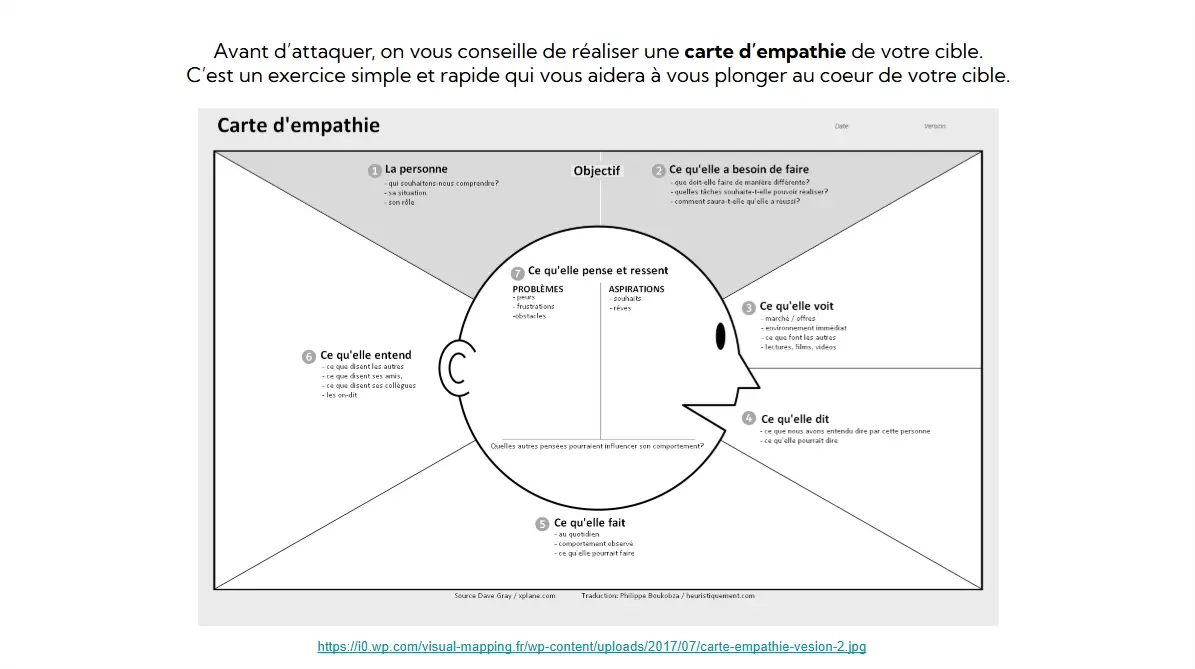
Before planning your posts, make sure you've defined your audience by downloading our guide explaining how to build a persona that's actually useful.
And once your content is ready (articles, videos, white papers), host it effectively to generate qualified leads with our standard Odoo website builder.
They put it into practice
Real feedback after adopting the IRM method in their editorial strategy.
Communications Manager
“We listed 30 real customer questions, sorted them by funnel stage (TOFU/MOFU) and produced 2 pieces per week. Inbound meetings followed naturally.”
SME Business Owner
“The 60/30/10 rule stopped us from constantly overselling on LinkedIn. We get more reach at the discovery stage, and much better-qualified quote requests at the end of the journey.”
Marketing Director
“IRM gives us a common thread: we know what to publish, where to publish it, and above all why we're doing it. KPIs are finally readable by the end of the month.”
Get the full guide
Receive the guide by email, with an editorial framework ready to use.
Frequently asked questions (FAQ)
Short, actionable answers built for the field.