
Based in Lyon, we run in-person workshops throughout the AURA region (Auvergne-Rhône-Alpes) and online. We can also travel to Paris.
CRM workshop for SMEs: structure your sales follow-up and take better control of your sales
CRM workshop for SMEs, in person in Lyon and across Auvergne-Rhône-Alpes, or online (duration: 2 hours)
Many SMEs still manage their sales follow-up with Excel, scattered notes or emails all over the place. The result: forgotten contacts, missed follow-ups, lost opportunities and no visibility on sales. A well-used CRM lets you structure your sales pipeline, make customer follow-up reliable and manage your sales activity more effectively.
In this CRM workshop for SMEs, we show how to move from makeshift sales management to a structured organization, with a clear pipeline, automatic reminders, centralized customer follow-up and useful dashboards.
In 2 hours, you'll discover how to structure your sales approach, track your prospects more closely and manage your sales with a CRM, without making your processes heavier.
This workshop will be presented by a consultant from Hors du Commun.
🕰️ 2 hours
🏫 In person or online
🧑🏼🎓 Minimum 6 participants
No dates are currently scheduled. You can request a new date by entering your email:
You'll receive the registration link by email 🫡

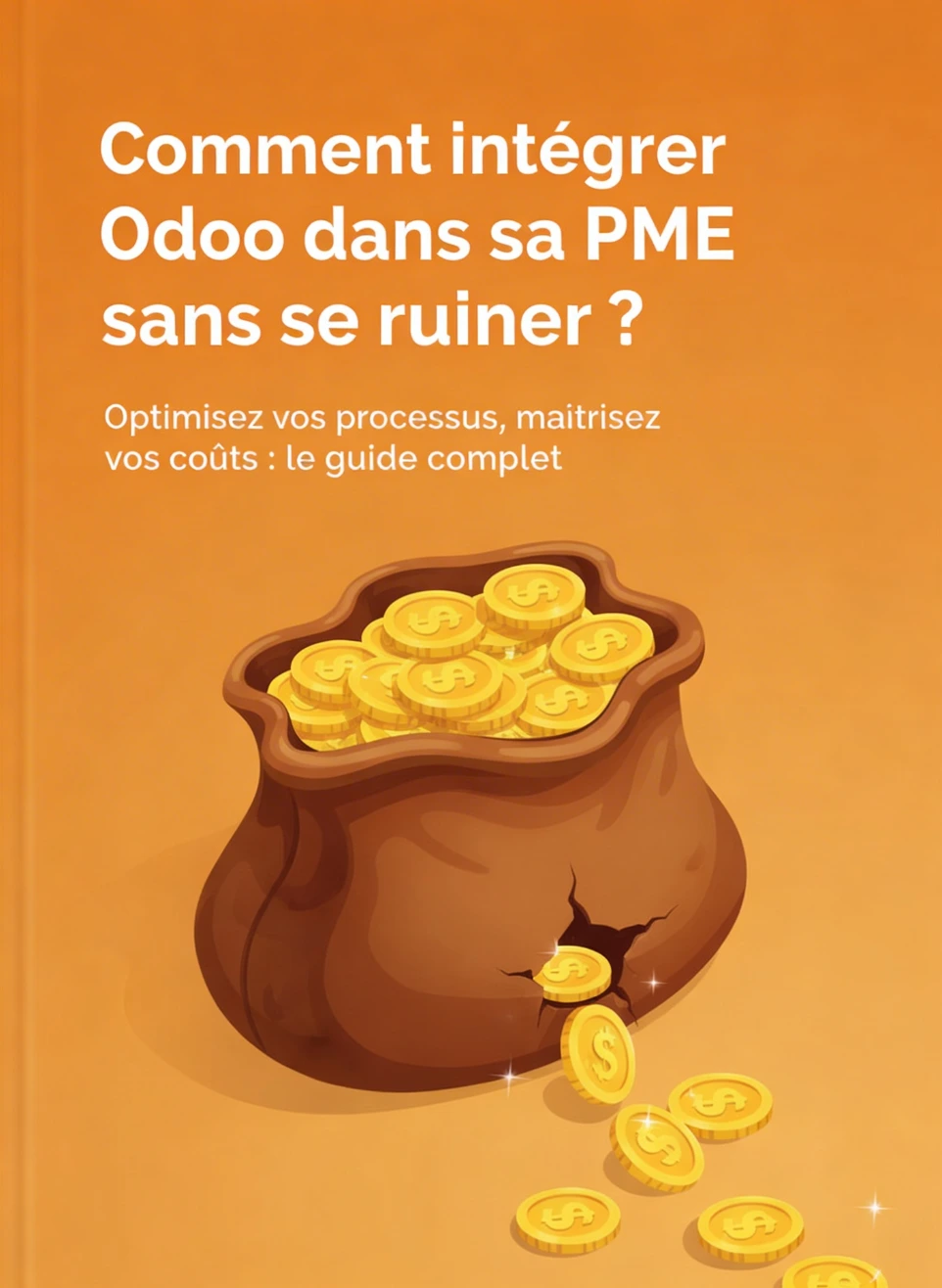
How can you implement Odoo in your SME without breaking the bank?
Optimize your processes and keep your costs under control: the complete guide to a successful Odoo ERP implementation.
How can you implement Odoo in your SME without breaking the bank?
Optimize your processes and keep your costs under control: the complete guide to a successful Odoo ERP implementation.
Why should an SME set up a CRM?
A CRM for SMEs isn't just a digital address book. It's a sales management tool that lets you:
- track every prospect and customer in one place,
- avoid oversights with reminders and automations,
- know exactly where each opportunity stands,
- measure your sales team's effectiveness,
- improve customer relationships with consistent, personalized follow-up.
🔗 Go further: Want to go beyond theory and roll out an effective tool in your company? Find out how our team supports you in implementing Odoo CRM and sales management in Lyon to structure your sales.
CRM workshop agenda for SMEs:
1) Structuring your sales pipeline in a CRM.
Build a clear pipeline to see opportunities at every stage: prospecting, quote, follow-up, negotiation and signature.
2) Managing your contacts, follow-ups and meetings.
Centralize prospects and customers, keep the history of every interaction and secure your day-to-day sales follow-up.
3) Automating repetitive sales tasks.
Set up automatic follow-ups, scheduled reminders and email templates to save time without lowering the quality of your follow-up.
4) Managing sales activity with the right KPIs.
Track current revenue, conversion rate, average time to signature and sales performance with reliable indicators.
5) Practical AI use cases in the CRM.
Concrete examples: lead scoring, generating follow-up emails, automatic summaries of interactions.
Who is it for?
SME owners, freelancers, sales managers and business leaders who want to structure their sales follow-up and make better use of a CRM every day.
Workshop objectives
By the end of this CRM workshop, you'll know how to:
- structure your pipeline,
- automate follow-up and reminders,
- analyze your sales performance,
- take a more professional approach to win more customers.
Prerequisites: None
Presented by: Billy Felicie, strategist and project coordinator at the Hors du Commun agency


Our CRM for SMEs workshop focuses on one key point: without a structured tool, a company quickly loses sales opportunities. Between quotes sent with no follow-up, poorly tracked contacts and scattered emails, part of the sales potential disappears for lack of method and visibility.
We show how a CRM becomes the central tool for sales follow-up. Each prospect is tracked step by step, with reminders, a centralized history and a clear view of opportunities that are in progress, won or need a follow-up.
The guide handed out at the end of the session sets out a simple method for implementing a CRM in an SME: define a suitable pipeline, configure basic follow-ups and automations, track the right sales KPIs and gradually add useful features such as lead scoring or email marketing integration.

We also cover sales management: measuring the conversion rate, analyzing average time to signature and understanding why some opportunities are lost. This data helps you adjust your sales actions faster and manage your sales pipeline better.
Finally, we explore what artificial intelligence brings to the CRM: writing a follow-up, identifying priority leads through scoring or producing meeting summaries. The goal is to help the sales team save time and focus on customer relationships and selling.
🔗 Go further: Artificial intelligence is no longer just for large corporations. To understand concretely how it can save your salespeople hours every day, browse our detailed page on the role of an AI expert for better sales.