Convert faster with a simple, effective sales pitch
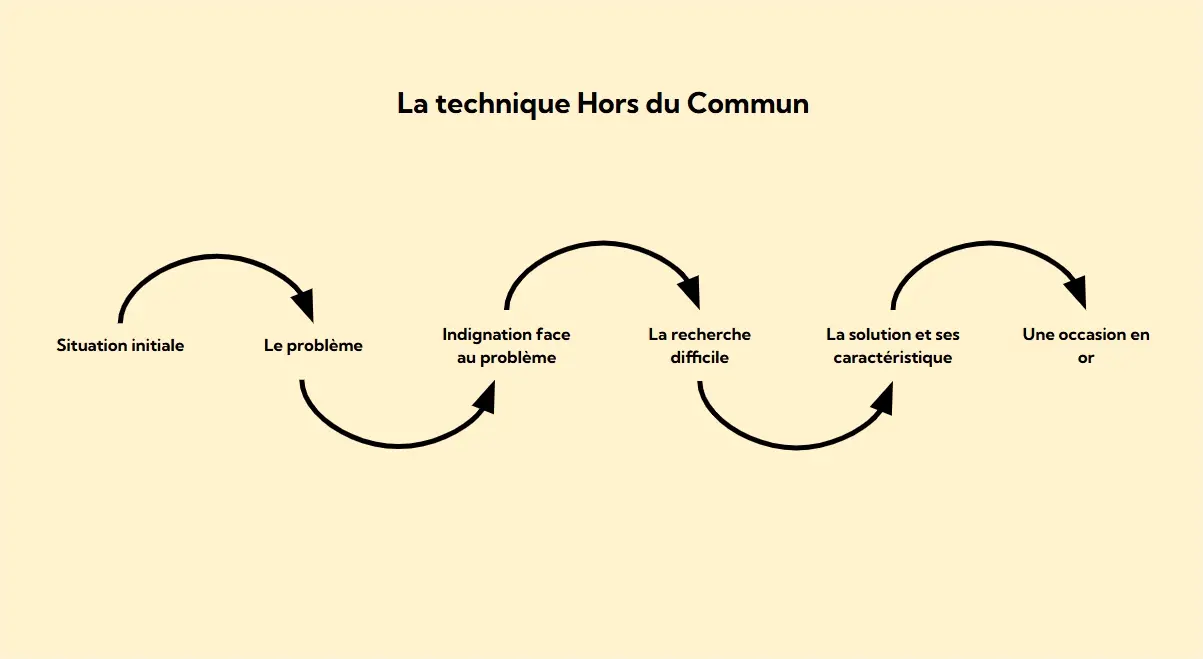
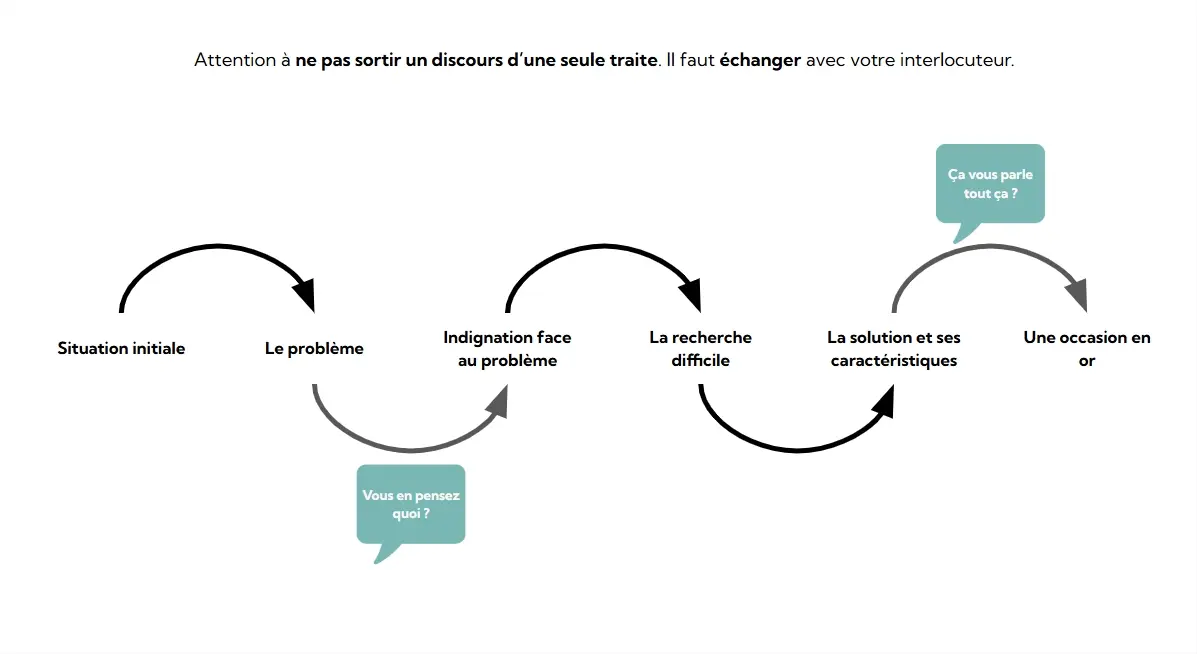
A clear framework, tested at trade shows and in meetings, to get to the point without reciting a novel. The “Hors du Commun” structure (situation → problem → indignation → search → solution → opportunity), 30s/90s/2min scripts, and a smooth transition to action.
Did you know? According to Gong.io's analysis of more than a million sales calls, the best pitches have a talk-to-listen ratio of 43:57. A good pitch isn't about talking nonstop, it's about opening a qualified conversation.
- 6-step narrative structure, inspired by AIDA but more concrete
- 3 pitch versions (30s, 90s, 2 min) + examples ready to adapt
- Useful sales methods (CABP, SONCAS, SIMAC, SPIN): when to use each one
- Objection handling: “if… then…” cards to respond without pushing
- Concrete CTAs: close, or propose a dated meeting in 10 seconds
What's inside this guide
Chapter 1: The “Hors du Commun” framework and its 6 steps (how it relates to the AIDA model).
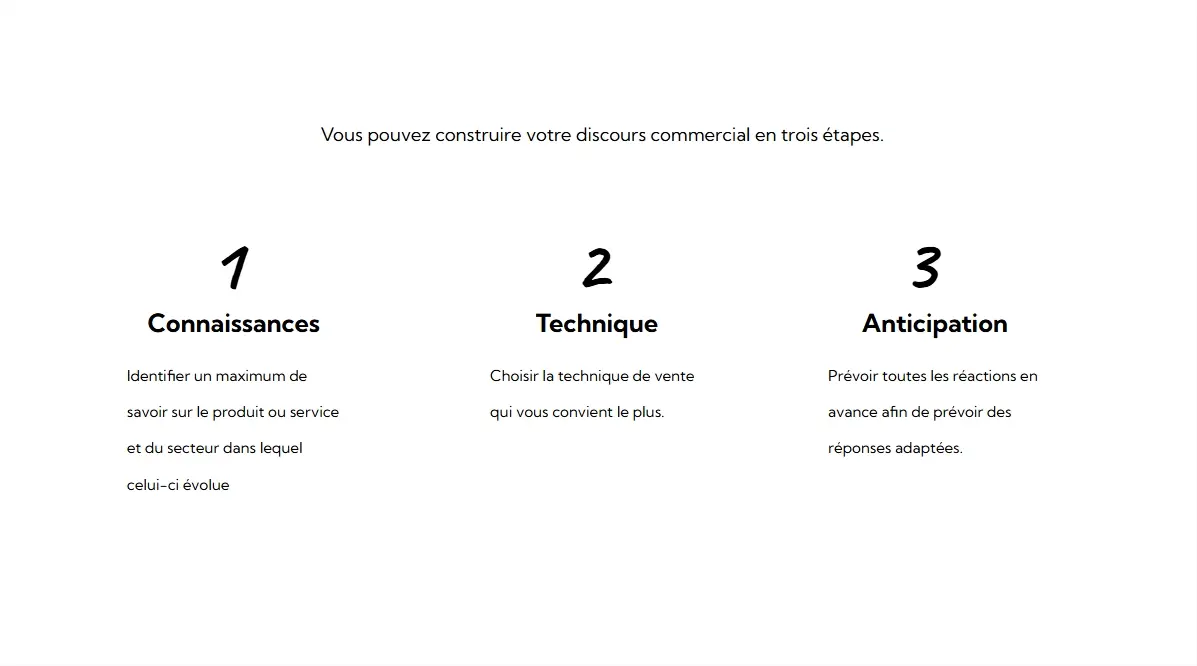
Chapter 2: Building your pitch: mastering your knowledge, your audience and your competition.
Chapter 3: Choosing your technique (CABP, SONCAS, SIMAC, SPIN), with a detailed how-to.
Chapter 4: Anticipating objections & respecting consent (GDPR).
Conclusion: 30s/90s/2min scripts and calls to action (CTAs) to close or book a meeting.
Structure beats improvisation
A Harvard Business Review study showed that companies with a formal sales process see 18% higher revenue growth than those that let their salespeople improvise.
Source: Harvard Business Review
If this topic interests you, keep in mind that a pitch only works if it's aimed at the right person. Before you pitch, make sure you've read our guide to building a persona that's actually useful.
And once you've delivered the pitch and caught their interest, don't lose track of your prospect: find out how to follow your opportunities with our Odoo CRM and sales management tool.
They put it into practice
Concrete feedback after rolling out a simple, structured pitch.
Sales Manager
“By switching to the 90-second pitch + a direct CTA, we doubled the meetings booked at trade shows. Zero fluff, just clarity.”
SME owner
“The 6-step structure puts everyone at ease: we know when to show, when to ask questions, when to make an offer.”
Marketing
“The objection cards changed everything. We respond without pushing, and you can see it right away in our conversions.”
🔗 Go further: A good pitch is a powerful weapon at a trade show, as long as your whole team is aligned on its role in welcoming prospects. Find out how to maximize your event ROI by reading our guide: Preparing your team for a trade show: the winning trio.
Get the full guide
Receive the guide by email, with all the scripts and templates ready to use.
🔗 Go further: Did you know that artificial intelligence can help your salespeople tailor their pitch before every meeting and write perfect follow-ups? Find out how an AI expert for better sales can boost your conversions.
Frequently asked questions (FAQ)
Direct, ready-to-use answers to the most common search queries.